

Smart locks in Halifax weather: salt air, freeze-thaw and storm outages
On the coast, the threat to a smart lock is less deep cold and more salt, damp, ice in the gaps and a storm that takes out the power and the wifi. Here is what to plan for.
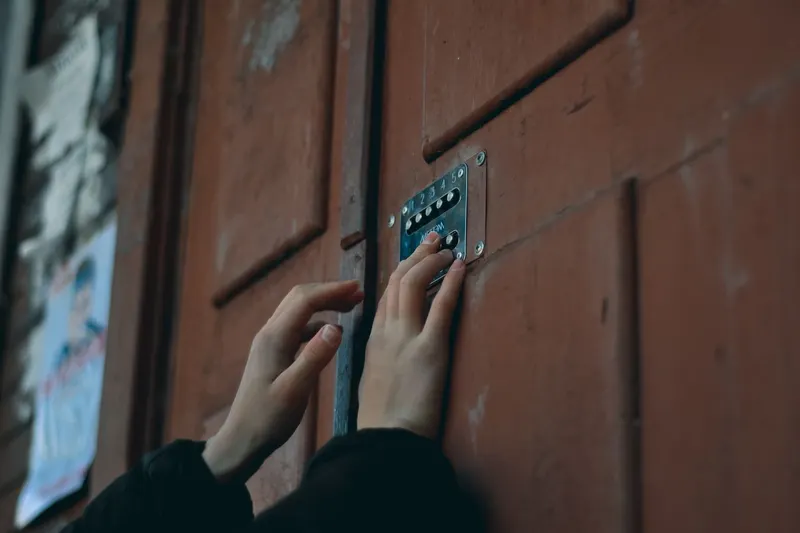
A smart lock can work well on a Halifax door, but the risks here aren't the deep-freeze ones people read about online. On the coast, what wears a smart lock down is salt in the air, damp that gets into the electronics, ice forming in the gaps after a thaw, and a storm that knocks out the power and the wifi for a day or two. Shelter the lock, keep the inside unit warm and dry, and make sure there's a backup way in.
What does salt air do to a smart lock?
Salt carried on coastal wind and fog settles on everything near the door, and a smart lock has more to lose than a plain deadbolt: exposed metal, a keyway, a keypad and sometimes battery contacts on the outside.
Over time that can mean:
- A stiff or gritty key cylinder, because the backup key is rarely used and the keyway corrodes quietly.
- Corroded emergency battery contacts on the outside, exactly when you need them.
- Pitted or tarnished trim, which is cosmetic but tells you salt is reaching the lock.
What helps:
- Wipe the outside unit with a damp cloth now and then, especially after a wind-driven storm. Dry it afterwards.
- Use the backup key every month or so, so you know it still turns.
- Choose the more sheltered door for a smart lock if you have a choice. A front door facing open water or the prevailing wind takes the brunt.
Can damp and fog get into the electronics?
Halifax spends a lot of the year damp, and a smart lock's inside unit holds the batteries, the motor and the circuit board. Moisture causes the most trouble where warm air meets a cold door:
- Condensation between a storm door and the main door is common in cold snaps. If a smart lock sits in that gap, keep the space ventilated and dry.
- Water running down an unsheltered door in driving rain can find its way to the seams of the outside unit. An overhang or porch roof makes a real difference.
- A door into a cold, damp porch puts the inside unit in conditions it may not be built for. Makers publish separate inside and outside temperature ratings. Weiser rates its Halo Touchscreen deadbolt's interior from 0 to 54 Celsius (Weiser spec sheet), and Yale lists the Assure Lock 2 Touch inside unit from 5 to 158 Fahrenheit (Yale Canada).
Allegion notes that the Schlage Arrive is not meant for outdoor uses such as gates or sheds, because the interior side isn't weatherproof (Allegion knowledge base). That's a sensible rule for any smart deadbolt: fit it where the inside of the door is heated, or at least dry and sheltered.
Call or text and a person answers, 24 hours, 7 days. You approve the price before we start.
What happens to a smart lock in freeze-thaw weather?
Our winters swing above and below freezing, often in the same day. Wet snow melts in the afternoon, then refreezes overnight. For a smart lock that means:
- Ice in the keyway and around the keypad. Water gets in during the thaw and freezes solid by morning. Clear ice gently by hand or with a little warmth. Don't chip at it with a key or a screwdriver.
- A bolt that drags. Freeze-thaw can shift a door frame slightly, and a wet wooden door swells. The motor then has to push a bolt that rubs the strike, which drains batteries and can stall the lock.
- Freezing rain glazing the outside unit. Physical buttons usually work through a thin glaze sooner than a touchscreen does. Use the app or a fob, if your lock supports one, until it clears.
Deep cold is rarely the problem here. The outside units we checked are rated to between minus 30 and minus 40 Celsius, which is colder than a typical Halifax winter night. The weak points on this coast are water and ice, not the thermometer.
What happens when a storm takes out the power and the wifi?
Nor'easters and post-tropical storms can leave parts of the municipality without power for hours or days. Here's what that means for a typical battery-powered smart deadbolt:
- The lock keeps working. The keypad, the key cylinder and usually Bluetooth from your phone run on the lock's own batteries.
- Remote features stop. Unlocking from away, notifications, guest codes sent from the app and activity logs need your wifi or a plug-in hub, and both go down with the power.
- Codes still work. Codes already stored in the lock keep working. Codes you try to send from the app during the outage may not arrive until the internet is back.
Before storm season:
- Fresh batteries in the fall, so the lock isn't on its last legs during a long outage.
- Know your local codes, and don't rely on sending a new code from the app to a dog walker or family member in the middle of a storm.
- Keep the physical key somewhere you can get to from outside: with you, or with a trusted neighbour.
- Check the lock after the outage reconnects to the app, and update anything you changed while it was offline.
How do you keep the batteries healthy?
Most smart deadbolts take AA batteries in the inside unit. Cold slows battery chemistry, and a bolt that drags makes the motor work harder, so battery life drops in a damp winter on a door that's shifted.
- Replace batteries on a schedule, such as each fall, not just when the warning appears.
- Use the battery type in the manual. Some makers say which chemistries they accept.
- Act on the low-battery warning the same week.
- Keep the door aligned so the bolt slides freely into the strike.
What's your backup way in?
Every smart lock needs one, and it's worth knowing which yours has before a dead battery, a frozen keypad or a storm tests it:
- A key cylinder. Keep it working and keep the key reachable from outside.
- Outside emergency power. Some key-free locks have contacts or a port where a battery or power bank wakes the lock long enough to enter your code. On the coast, check those contacts for corrosion each season.
Our guide on what to do when a keypad lock battery is dead covers the common backups. If your car relies on a fob, our post on a key fob not working in the cold covers that side of a bad-weather morning.
What does a good installation look like here?
A smart lock is only as dependable as the door it's fitted to:
- Bore and edge prep that match the lock exactly.
- A bolt that runs freely into the strike, with room for the door to move a little between wet and dry seasons.
- A full throw into a heavy strike plate fixed with long, corrosion-resistant screws. A smart lock doesn't make a weak frame any stronger. See how to secure your front door against break-ins.
- Clean codes and users: your own codes set, test codes deleted, and you know how to remove a user later.
We'll help you pick a model for where the door faces and how sheltered it is, and fit it so it runs freely through a wet winter. See smart lock installation.
The printable move-in lock checklist below includes resetting smart lock codes and removing old users, a good first-day job in a new home.
Questions people ask
- Will my smart lock work during a power outage?
- Most smart deadbolts run on batteries, so the keypad, the key cylinder and usually Bluetooth keep working when the power goes out. What stops is anything that relies on your wifi or a plug-in hub: remote unlocking, notifications and changes from the app. Those come back once the power and internet are restored.
- Does salt air damage smart locks?
- It can. Salt carried on coastal wind and fog settles on the outside unit, and over time it can corrode exposed metal, keyways and battery contacts. A sheltered door, a regular wipe-down with a damp cloth, and a lock you check each season all help it last.
- Can I put a smart lock on a door to a cold porch or garage?
- Check the inside rating first. Makers rate the inside unit separately, and it's often much warmer than the outside rating. For example, Weiser rates its Halo Touchscreen interior to 0 Celsius, and Schlage rates the Arrive interior to minus 10 Celsius. On a door where the inside faces an unheated space, that matters.
Ready to sort it? Call or text.
Open 24 hours, 7 days. Text a photo first if that is easier.
Smart lock installation · You approve the price before we start.
Keep reading
All guides Right now
What to do after a break-in: the first 24 hours
Coming home to a forced door is a shock. This is the order that works: safety, police, a record of the damage, your insurer, a door that locks tonight, and every key and code that left with the thief.
 Right now
Lost your house keys? How to tell if the locks need changing
A lost key ring only matters if it can find its way back to your door. Here's how to judge that, and why a rekey usually beats new locks.
 Right now
Safe won't open? Batteries, a lost code or a failed lock
A safe that refuses the right code usually has a weak battery, not a broken lock. The order to check things in, how lost codes are recovered, and when to call a safe technician.