

Rekey or replace your locks? How to choose, door by door
Rekeying and replacing both make old keys useless. The condition of each lock, and what you want from it, decides which one you need.
Just took possession of a house in Bedford, or moved into an apartment on the peninsula? Your first thought may be "I need new locks." Most of the time, you need new keys.
How does a rekey work?
A standard house lock has a cylinder with a row of small spring-loaded pins of different lengths. The right key pushes each pin to exactly the right height, and the cylinder turns. To rekey, a locksmith takes the cylinder out, replaces those pins with a set cut for a new key, and puts it back.
What you end up with:
- The same lock, handle and deadbolt on the door.
- A new key that works.
- Every old key, including copies held by the previous owner, past tenants or a contractor, no longer turns the lock.
A rekey doesn't make a lock any stronger. It controls who has a working key, not how well the lock resists force.
When is a rekey the right call?
When the hardware is fine and the keys are the problem:
| Situation | Rekey? | Why |
|---|---|---|
| You just took possession of a home | Yes | You can't know who holds copies |
| A tenant moved out | Yes | Old tenants and their guests may have keys |
| You lost keys that could be traced to you | Yes | The lost keys stop working |
| A roommate or partner moved out | Yes | Their key stops working, the locks stay |
| You want one key for every door | Yes, if keyways match | Compatible locks can be keyed alike |
| A cleaner or contractor no longer needs access | Yes | Ends old access quickly |
Lost keys and not sure if a rekey is worth it? Our guide on changing locks after losing keys walks through how to judge the risk.
Renting? Talk to your landlord before changing or rekeying a lock on a rental unit. Our post on lock changes for Nova Scotia landlords and tenants explains where to find the rules.
Call or text and a person answers, 24 hours, 7 days. You approve the price before we start.
When should the lock be replaced?
When the lock itself is the problem:
- Salt and damp have got to it. Near the harbour and along the coast, salt air works into exterior cylinders. Grit, stiffness, a key that has to be wiggled, or green and white crust around the keyway all point to corrosion that a rekey won't cure.
- It's worn out. The deadbolt drags, the handle wobbles, or you have to lean on the door to lock it. Some of that is door alignment, which also shifts as wood swells and shrinks through freeze-thaw cycles, but some locks are simply done.
- It's damaged. Forced, kicked, drilled or bent after a break-in attempt.
- You want an upgrade. A heavier deadbolt, a keypad or smart lock, or a high-security cylinder with restricted keys.
- It doesn't match. One odd brand or keyway that can't share a key with the rest.
If you're replacing for security, remember that the door frame usually gives out before the lock does. Our guide on securing your front door covers the strike plate and long screws that matter more than the brand on the deadbolt.
Can one key open all my doors?
In most homes, yes. Keyed alike means the front door, back door, side door and the door from the garage into the house all open with the same key. It's one of the most common reasons people rekey after a move.
What decides it is the keyway, the shape of the slot the key slides into. Different brands, and sometimes different lines from the same brand, use different keyways. Locks with compatible keyways can be rekeyed to one key. A lock with a different keyway may need its cylinder or the whole lock replaced to join the set. We check each door and tell you which.
What about older locks?
Most rekey without trouble. An older lock from a common brand with a standard pin tumbler cylinder rekeys the same way as a new one. It gets harder when:
- the cylinder is badly worn or corroded, so a new key won't run smoothly
- the lock is discontinued or unusual, and pins or parts are hard to source
- the lock is damaged, in which case it should be replaced anyway
An older lock in good condition is often worth keeping, especially on a heritage home where the hardware suits the door.
Is a rekey less work than a replacement?
Usually. With a rekey the lock stays put and only the pins change, so there's no new handle or deadbolt to buy and fit. A replacement means new locks, fitting them, and sometimes adjusting the door or the strike to suit.
That's why, when your locks are in good shape, a rekey is what we suggest first.
Landlords with several units
The same logic applies at scale. A rekey at every turnover is the routine, and a key log saves trouble later. Our guide on rekeying between tenants sets out the turnover steps.
Two questions for every door
Stand at each exterior door and ask:
- Does this lock turn smoothly in wet and cold weather alike? If not, replace it.
- Do I know everyone who has a key? If not, rekey it.
A smooth lock with unknown keys needs a rekey. A rough lock needs replacing whoever has the keys. When you're ready, see rekey your locks. Have every key you own on hand, decide whether you want one key for all the doors, and we'll handle the rest at your door.
The printable move-in lock checklist below takes you through every door and key in about ten minutes.
Questions people ask
- Is rekeying cheaper than replacing locks?
- Usually, because there's less hardware involved. A rekey keeps the lock on the door and changes only the pins in the cylinder. Replacing means buying new locks as well as fitting them. If your locks are in good condition, a rekey is normally the lighter job.
- Can every lock be rekeyed?
- Most standard pin tumbler locks on homes can. A cylinder that's badly worn or corroded, a damaged lock, or an unusual model with no parts available is better replaced. We tell you which at the door.
- Does salt air mean I should replace rather than rekey?
- Not automatically. If an exterior lock still turns cleanly, rekey it. If salt and damp have left it gritty, stiff or seizing, a rekey won't fix that, and replacing the cylinder or the lock is the better answer.
- Can one key open all my doors?
- Usually. Locks with a compatible keyway can be rekeyed to one key, which is called keyed alike. A lock with a different keyway may need a new cylinder or a new lock to join the set.
Ready to sort it? Call or text.
Open 24 hours, 7 days. Text a photo first if that is easier.
Keep reading
All guides Plan ahead
Can a landlord or tenant change the locks in Nova Scotia?
In Nova Scotia, a lock on a rental's entry door only changes during a tenancy if landlord and tenant both agree. Here is what the Residential Tenancies Act says, what it means day to day, and who settles a disagreement.
 Plan ahead
Rekeying between tenants: a turnover routine for Halifax landlords
A rental turnover isn't finished until the locks are rekeyed and the new keys are counted. A simple routine for landlords, from move-out to move-in.
 Plan ahead
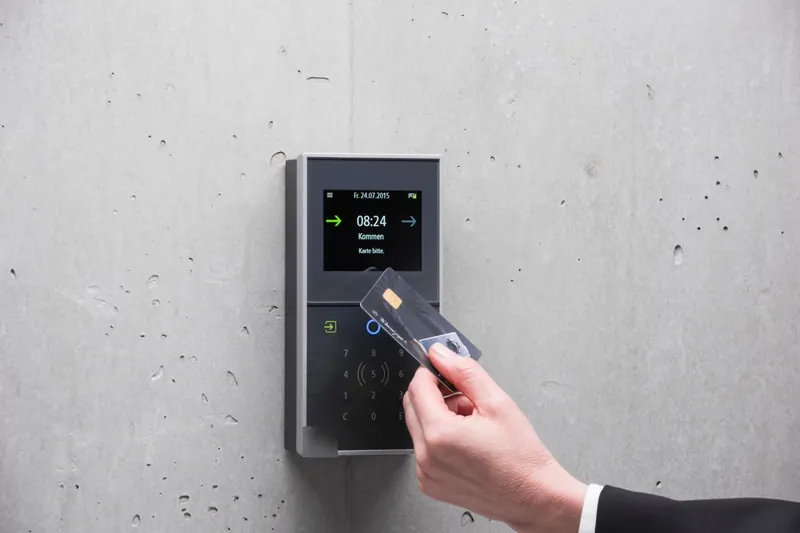
Swapping keys for fobs: access control for a small business
Seasonal staff, part-timers and a back door nobody can account for. Here is how fob and card access works for a small business, and what coastal weather asks of the hardware.