

Can a landlord or tenant change the locks in Nova Scotia?
In Nova Scotia, a lock on a rental's entry door only changes during a tenancy if landlord and tenant both agree. Here is what the Residential Tenancies Act says, what it means day to day, and who settles a disagreement.
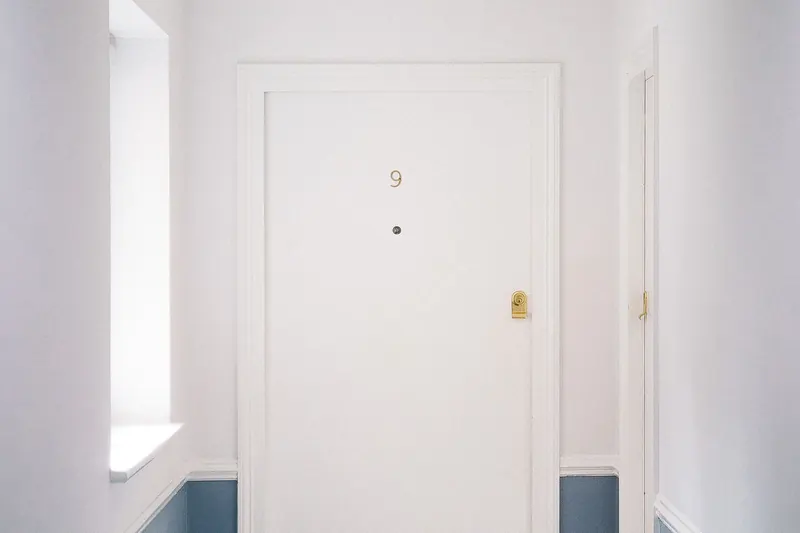
This is general information, not legal advice. For your own situation, contact Residential Tenancies through Access Nova Scotia.
What does the Residential Tenancies Act say about locks?
The wording sits in section 9(1) of the Residential Tenancies Act, R.S.N.S. 1989, c. 401, under the heading "Entry Doors":
"Except by mutual consent, the landlord or the tenant shall not during occupancy by the tenant under the tenancy alter or cause to be altered the lock or locking system on any door that gives entry to the premises."
Read it slowly and four points stand out:
- Both parties are bound. It is not a landlord-only rule. A tenant who swaps a deadbolt without asking is in the same position as a landlord who does it.
- "Alter or cause to be altered" covers hiring someone else to do it. Calling a locksmith doesn't move the responsibility.
- "Lock or locking system" is broad. A rekey, a new deadbolt or a keypad in place of a keyed lock are all changes to the locking system.
- "During occupancy" sets the window. The condition is about the time the tenant is living there under the tenancy.
The same section opens by saying the statutory conditions apply "notwithstanding any lease, agreement, waiver, declaration or other statement to the contrary." A clause in a lease that tries to give either side a free hand with the locks doesn't change the rule.
Can a landlord lock a tenant out?
No. Section 5A is one line: "A landlord shall not bar a tenant from free access to the residential premises during the term of the tenancy."
So a new lock is not a way to end a tenancy, recover unpaid rent or deal with a difficult tenant. Ending a tenancy has its own process under the Act, through notices to quit and, where there is a dispute, an order from the Director of Residential Tenancies. Section 23 makes contravening the Act an offence.
If you are a tenant who has come home to a key that no longer fits, or a landlord who thinks a tenant has abandoned the unit, contact Residential Tenancies before anyone changes anything else. When a rental lockout call comes in, we ask for ID before opening, and we don't take sides in a dispute between landlord and tenant.
Call or text and a person answers, 24 hours, 7 days. You approve the price before we start.
What if the landlord keeps coming in without notice?
Changing the lock is the wrong fix, because it breaks Condition 8 from the tenant's side. The Act deals with entry separately.
Statutory Condition 7 lets a landlord enter after giving written notice that states a reasonable purpose and a date and time between 8 a.m. and 8 p.m., given at least 24 hours and not more than 30 days ahead. Condition 7A says a landlord shall not enter without written notice unless:
- there is an emergency and entry is needed to protect life or property,
- the tenant consents at the time of entry,
- the tenant consented not more than thirty days before, or
- the tenant reasonably appears to have abandoned the premises.
A tenant who feels those rules are being ignored can apply to the Director, described further down.
How should a tenant ask to change or add a lock?
Plenty of requests are reasonable: a roommate moved out with a key, a key went missing on the bus, the deadbolt on an old peninsula flat sticks every time the weather turns damp, or you simply want a sturdier lock on a ground-floor door. Make it easy for the landlord to say yes:
- Ask in writing. An email or text is fine. Say what you want changed and why.
- Agree who books and pays for the work before anyone calls a locksmith.
- Agree on keys. Decide how many keys there will be afterwards and whether the landlord keeps one, and write that down too.
- Keep the reply. If something is disputed later, the written consent is your evidence.
Landlords benefit from the same habits. A tenant who reports a worn or broken lock is giving you the chance to fix it on your terms. Statutory Condition 1 requires the landlord to keep the premises "in a good state of repair and fit for habitation during the tenancy."
What about shared doors in a building?
Condition 8 refers to "any door that gives entry to the premises." In a converted house with several flats, or a building with a main entrance, a back door to the parking lot and a storage room, which doors count can depend on the lease and the building. If a change to a shared door would affect a tenant's access, talk it through first, and ask Residential Tenancies if you're unsure.
What happens between tenancies?
The lock condition is tied to the tenant's occupancy. Once a tenant has moved out and the tenancy is over, rekeying before the next tenant arrives is simply good practice. Old tenants, their friends, a cleaner, a contractor: you can't know who still holds a copy.
In Halifax that turnover often bunches up around September, when students and new staff arrive for the academic year. Our guide to changing locks after a tenant moves out sets out a routine that works, and the landlord turnover checklist below puts it on one page per unit. If you manage several properties, our page for landlords and property managers covers turnover rekeys, master keys and tenant lockouts.
Leaving because of domestic violence
Section 10F of the Act lets a tenant in a year-to-year or fixed-term tenancy who is a victim of domestic violence end the tenancy early, by giving the landlord one month's notice in the Director's form together with a certificate from the Director of Victim Services, no later than 60 days after the certificate is issued. The details are in the Act, and Residential Tenancies can explain the steps. If you are in danger now, call 911.
Who settles a disagreement?
The Director of Residential Tenancies. Landlords and tenants can file an Application to Director (Form J) online or take a paper application to Access Nova Scotia. A residential tenancy officer tries mediation if both sides are willing; if that doesn't happen, there is a hearing and the officer issues an Order of the Director.
A locksmith can change a lock. A locksmith cannot decide who is entitled to one. What a real locksmith asks for explains the ID we check before opening any door.
The short version
- During a tenancy, neither landlord nor tenant may alter an entry-door lock without mutual consent (Statutory Condition 8).
- A lease can't override the statutory conditions (s. 9(1)).
- A landlord must not bar a tenant from free access during the tenancy (s. 5A).
- Unwanted entry is dealt with under Conditions 7 and 7A, not with a new lock.
- Disagreements go to Residential Tenancies through an Application to Director.
Questions people ask
- Can my landlord change the locks while I still live there?
- Not without your agreement. Statutory Condition 8 of Nova Scotia's Residential Tenancies Act says neither side may alter the lock on an entry door during the tenant's occupancy except by mutual consent, and section 5A says a landlord shall not bar a tenant from free access to the unit during the tenancy.
- Can I change the locks on my apartment in Nova Scotia?
- Only if your landlord agrees. The same condition that protects you binds you too. Ask in writing, say why, and keep the reply. If you can't reach agreement, Residential Tenancies can help through an Application to Director.
- Can a landlord rekey a unit after the tenant has left?
- The lock condition applies during occupancy by the tenant under the tenancy. Once the tenancy has ended and the tenant has moved out, rekeying before the next person moves in is normal practice. If it's not clear the tenancy has ended, contact Residential Tenancies before touching the lock.
- Does my lease override these rules?
- No. Section 9(1) of the Act says the statutory conditions apply notwithstanding any lease, agreement, waiver or statement to the contrary.
Ready to sort it? Call or text.
Open 24 hours, 7 days. Text a photo first if that is easier.
Landlords and property managers · You approve the price before we start.
Keep reading
All guides Plan ahead
Rekeying between tenants: a turnover routine for Halifax landlords
A rental turnover isn't finished until the locks are rekeyed and the new keys are counted. A simple routine for landlords, from move-out to move-in.
 Plan ahead
Rekey or replace your locks? How to choose, door by door
Rekeying and replacing both make old keys useless. The condition of each lock, and what you want from it, decides which one you need.
 Plan ahead
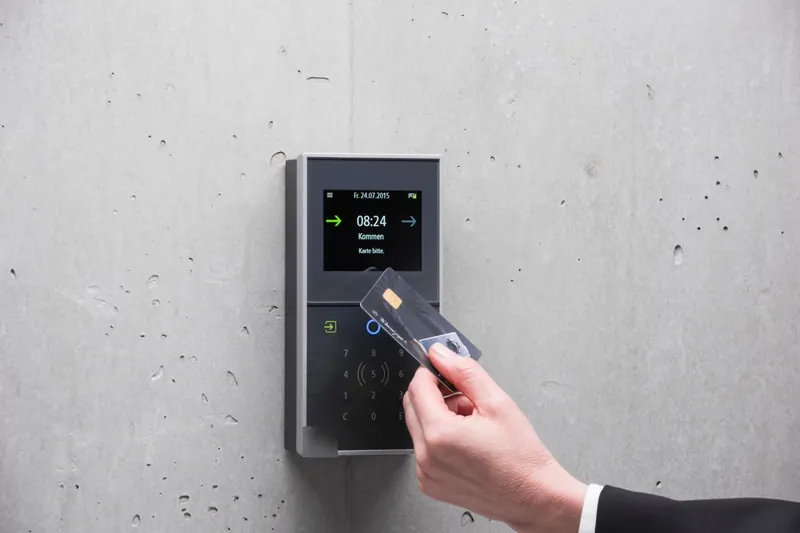
Swapping keys for fobs: access control for a small business
Seasonal staff, part-timers and a back door nobody can account for. Here is how fob and card access works for a small business, and what coastal weather asks of the hardware.