

Stuck right nowLockouts
Proof of ownership: what a locksmith should ask you for
Before a door is opened, a good locksmith checks you belong there. What to show for a home, a car or a business, and what to do when your ID is on the wrong side of the door.
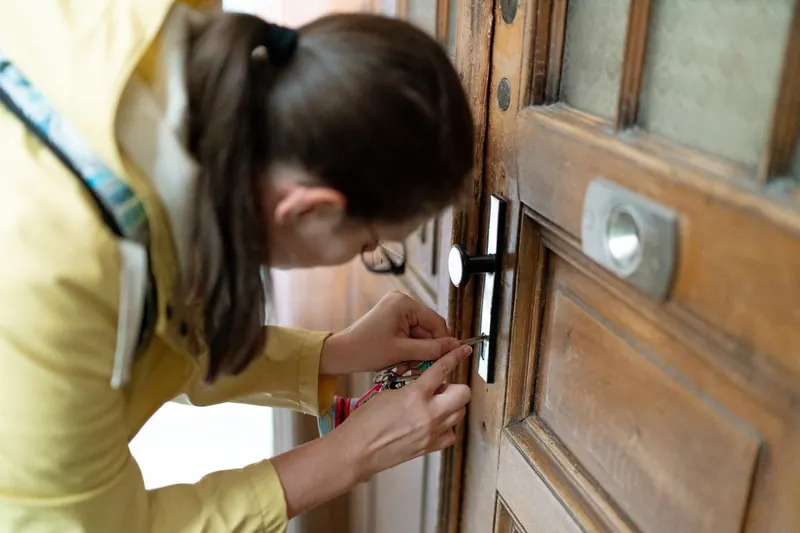
Below: what to have ready, what happens when your wallet is locked in with your keys, and how rentals, roommates and separations work.
Why being asked for ID is a good sign
Picture the calls a locksmith gets late at night from someone saying "this is my place". Nearly all of them are from the person who lives there. A few are not:
- a former partner who has moved out
- a past tenant who kept the address
- a friend of a roommate
- someone who has noticed the house sits empty on weekends
A locksmith who opens every door on request opens it for all of them. The ID check is how the first caller gets in quickly and the others don't get in at all. We do it every time, for homes, cars and businesses, including the times it's late, wet and you'd rather we just got on with it.
What to have ready
For a house, condo or apartment, it's your photo ID. A Nova Scotia driver's licence or Nova Scotia ID card is what most people show.
| Where you're locked out | What we check |
|---|---|
| Your home | Photo ID |
| A car, truck or van | Photo ID that matches the registration or insurance |
| A shop, office or unit | Photo ID plus something linking you to the business, or the owner or manager confirming by phone |
That's all for a home lockout. Have your ID handy, or let us know on the phone that it's inside.
For a home, photo ID such as a Nova Scotia driver's licence. For a car, ID that matches the registration or insurance.
When your wallet is inside
Most people locked out of a house have their ID locked in with the keys. That's expected, and it doesn't slow anything down much:
- When you call, we take your name and the address, and ask where your ID is.
- When we arrive, the technician opens the door, trying the least damaging method first.
- Once you're in, you show us your ID before we leave.
Renting? Check with your building first. Many apartment buildings in Halifax and Dartmouth have a superintendent or property manager on call who can let you in, which may save you a locksmith visit.
No problem. You show your ID once the door is open, before we leave.
Rentals, roommates and separations
We don't take sides in these. Our part is opening a door for someone with the right to be inside, and nothing more.
- Roommates. If it's your home too, the check is the same as for anyone: your ID.
- Tenants and landlords. Lock changes in a rental are governed by Nova Scotia's tenancy rules, and a dispute over access belongs with the province's residential tenancies process, not a locksmith at the door. Our guide on landlord and tenant lock changes in Nova Scotia explains it in plain words.
- Separations. If a court order says who lives where, that order decides who can go in. If you aren't sure, or don't feel safe, speak to the police first.
If anyone in the home is in danger, call 911 before anything else.
If anyone is in danger, call 911 first. A court order or the province's tenancy process settles who gets in, not a locksmith.
Locked out of a car
The idea is the same. Before a car is opened, we check that it's yours, normally with photo ID that matches the registration or insurance. If those papers are in the glovebox, we open the car and look at them before you go. In a downtown parking garage with sleet blowing in, that can feel like one step too many. It's also the step that stops someone else opening your car in that same garage.
Bring ID that matches the registration or insurance. Papers in the glovebox are checked once the car is open.
A locksmith who asks for nothing
Treat it as a red flag. If they didn't ask you, they wouldn't ask anyone. It sits on our printable red flags card next to an unmarked vehicle, no company ID, and reaching for the drill before trying anything gentler. That last one is explained in does a locksmith break your lock.
You can check the locksmith, too. Ask who is being sent, ask to see their ID, and call the company back on a number you found yourself. Our who's coming to your door page shows how we do it: you get a name and a door word before we arrive.
Be careful. Ask for their ID and call the company back on a number you looked up yourself.
A dead keypad, not a lost key
If an electronic lock has gone dark, you may be able to get in without anyone. Most keypad deadbolts have a backup, and our guide to a keypad door lock with a dead battery shows where it is on the common brands.
Most electronic deadbolts have a backup way in. Look for yours before you call.
The short version
- Expect a careful locksmith to check ID before opening a home or car.
- A home needs your photo ID. A car needs ID that matches the registration or insurance.
- ID locked inside is normal; it's checked once the door is open.
- No questions asked is a reason to be cautious.
Questions people ask
- Will a locksmith ask me to prove I live at the address?
- We will, and a careful locksmith always should. For a home, your photo ID is what we check. The same question that feels like a hurdle tonight is what keeps a stranger from talking their way into your place.
- My wallet is locked in the house. Can you still open the door?
- Yes. It's one of the most common lockouts. We open the door, you fetch your ID, and we check it before we leave. It takes a minute or two.
- What do I need to show for a car lockout?
- Photo ID that matches the vehicle's registration or insurance. If the paperwork is in the glovebox, we open the car and check it before you drive off.
Still stuck? Call, and a person answers.
Open 24 hours, 7 days. Tell us which one it sounds like, or text a photo first.
Who's coming to your door · You approve the price before we start.
Keep reading
All guides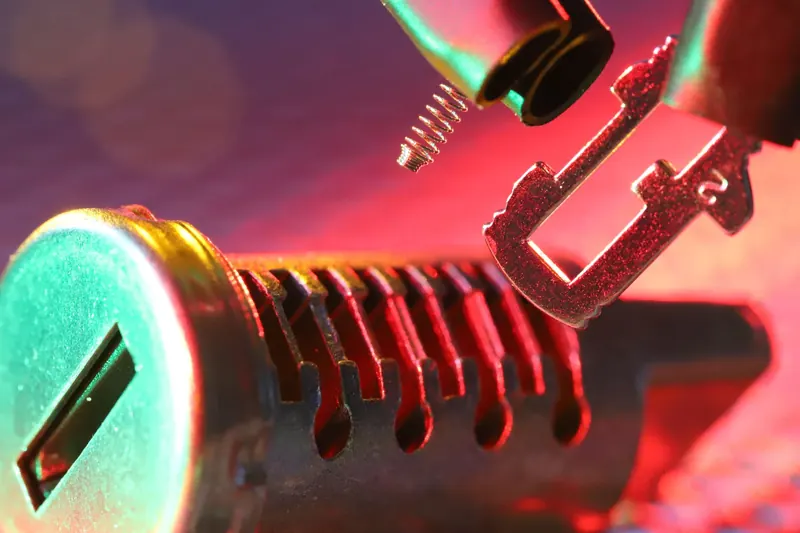 Right now
Does a locksmith break your lock to get you in?
A good locksmith gets you in and leaves the lock working. Here is how that's done, the few cases where drilling is the right call, and the questions that tell you who you're dealing with.
 Right now
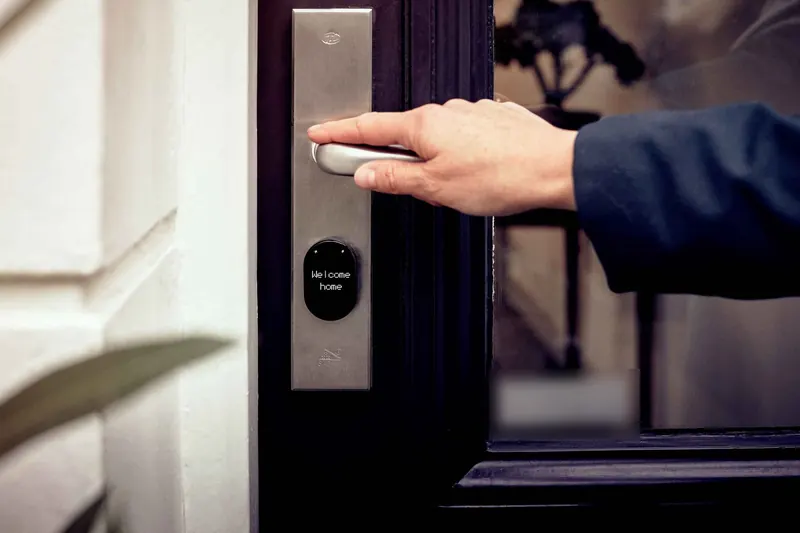
Keypad or smart lock battery dead? How to get back inside
A dead keypad deadbolt nearly always has a way back in: a key cylinder, two 9-volt contacts or a USB port. Here's how to find yours before you need it on a wet, windy doorstep.
 Plan ahead
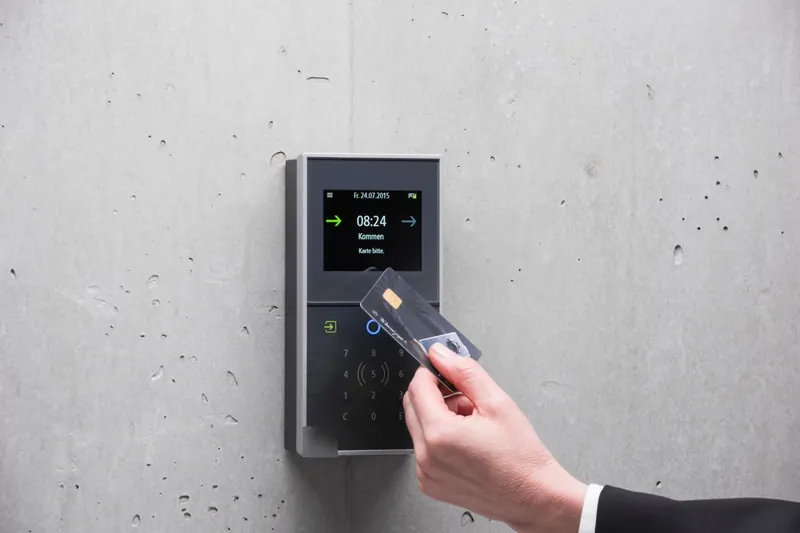
Swapping keys for fobs: access control for a small business
Seasonal staff, part-timers and a back door nobody can account for. Here is how fob and card access works for a small business, and what coastal weather asks of the hardware.