

How to stop garage break-ins in Halifax
Garage thieves rarely do anything clever. They try the side door, the opener in the car on the driveway, or the release cord. Here is how to shut each one down.
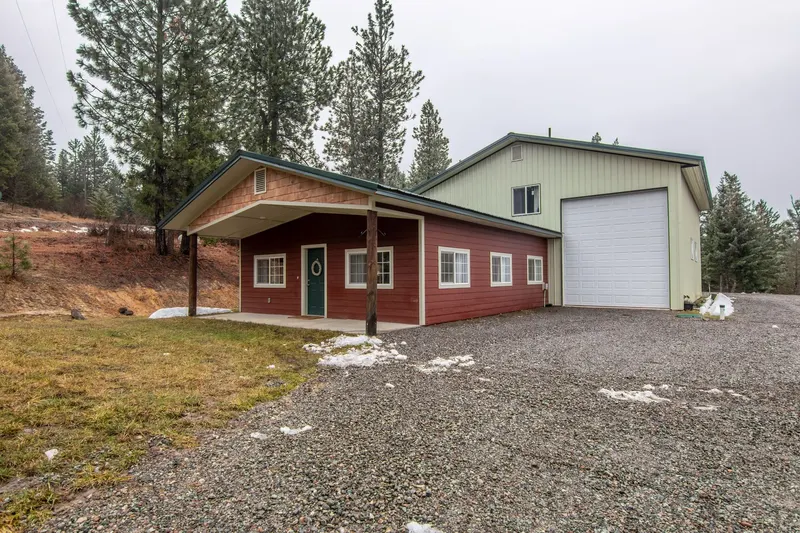
A garage in Bedford, Cole Harbour or Lower Sackville often holds more than people realise: bikes, power tools, a generator kept for storm season, kayaks, and sometimes the house key on a hook by the inside door. A detached garage at the back of the lot is out of sight from the house, which is exactly what makes it appealing.
Why is the side door the usual way in?
A closed, locked overhead door is big, heavy and noisy to force. The side door is an ordinary door, often lightly built, with a knob lock and a short strike plate held by two short screws into a thin jamb. On the coast, those screws are often rusted and the wood around them soft from years of damp.
To harden it:
- Fit a deadbolt that throws its full length into the frame.
- Replace the strike plate with a heavy-duty one, held by long screws that reach the framing behind the jamb. Use corrosion-resistant screws.
- Check the hinges. If the door swings out and the hinge pins are exposed, someone can tap them out and lift the door off. Security pins or set screws stop that.
- Lock the inside door too, the one from the garage into the house. Treat it like an outside door.
If the side door needs a new deadbolt, we can do that lock change on the same visit as garage work. The frame-first approach is the same as for a front door, covered in how to secure your front door against break-ins.
How do you stop someone hooking the emergency release?
The emergency release is the red handle on a cord hanging from the opener's trolley. Pulling it disconnects the door from the motor so you can lift it by hand. Someone outside can sometimes push the top of the door inward, slide a bent wire through the gap at the top seal, catch the cord or the release lever, and pull.
You need that release. It's how you open the door in a power outage and how people get out in an emergency, so don't disable it. Instead:
- Ask about a release guard. A garage door technician can fit a guard that blocks a hook coming over the top of the door while leaving the cord working from inside.
- Don't zip-tie or cut the release. It might stop a thief, and it will also stop you when you need it.
- Cover or frost windows in the top panels so nobody can see the cord to aim for it.
- Fix a loose top seal or a sagging door. The tighter the top of the door, the less room a hook has.
After any change, close the door and pull the release from inside to make sure it still works.
Call or text and a person answers, 24 hours, 7 days. You approve the price before we start.
What should you do with the garage door during a power outage?
Storms here can knock the power out for a long time, and that changes how a garage is secured. Once the release has been pulled to open the door by hand, the opener isn't holding the door down any more.
- Keep the door closed when you're not using it during an outage.
- Use the manual lock if the door has one, so the door can't be lifted from outside.
- Reconnect the opener once the power is back, and release the manual lock first. Running the opener against a locked door can damage it.
- Keep the generator and fuel secure. A generator running in the driveway is visible from the street. Never run one inside a garage.
If the door won't reconnect or runs crooked after an outage, see our guide to the garage door manual release.
Are openers in parked cars and keypad codes really a risk?
Yes, and they're the quickest to fix.
- Don't leave an opener clipped to the visor of a car parked on the driveway or the street. A smashed car window can turn into an open garage and an open door into the house.
- Carry a keychain remote, or use the opener's phone app if it has one.
- Change the keypad code when you move in, after contractors have had it, and whenever it's been shared widely. Skip the house number, birthdays and simple runs like 1234.
- Clear lost remotes. If one goes missing, erase the opener's memory and re-pair the remotes you still have. The opener's manual shows how.
Can you lock the overhead door itself?
Many sectional doors have a slide lock or a T-handle lock that pushes a bar into the track. Use it when you're away for a few days.
- Never run the opener with the manual lock engaged. The motor can strain and bend the door.
- Keep the lock moving. Salt air and freeze-thaw can make a slide lock stiff or seize it. Work it now and then, and keep it clean.
- No lock on your door? A garage door technician can add one suited to it.
Many opener wall controls also have a lock or vacation setting that stops remotes working while it's on. Look for a lock button or symbol on yours.
Do lights and visibility make a difference?
They do, especially for a detached garage at the back of a lot or off a shared drive:
- Motion-sensor lights over the side door and the overhead door.
- A light on a timer inside the garage when you're away.
- Cover garage windows with blinds or film so nobody can see what's inside.
- Trim back shrubs and fence lines that hide the side door from the house.
- Tell a neighbour when you're away, so a strange vehicle by your garage gets noticed.
And make sure the door actually stays closed. A door that reverses and sits open all night is the easiest break-in there is. If yours keeps bouncing back up, see why a garage door won't close.
What if your garage has already been broken into?
If someone may still be there, call 911. Otherwise, report it to police: Halifax Regional Police and the RCMP both serve parts of the municipality, and the municipality explains how to report a crime on its reporting crime page. Photograph the damage before you tidy up, and secure the way in that night.
Then think about keys. If a house key, a car key or an opener was taken, every lock it works needs attention. Our guide on what to do after a break-in walks through the first day.
If the overhead door won't lock, sits crooked, or the side door won't latch after being forced, we handle garage door locks and repairs. See garage door locks and repair.
The move-in lock checklist below doubles as a garage audit: every door, every key, every remote and every code.
Questions people ask
- How do thieves usually get into a garage?
- Through the side door more than anything, often by kicking or prying a door with a knob lock and short strike screws. The other common routes are an opener taken from a car on the driveway, a guessable keypad code, and a hook through the top of the overhead door to catch the release.
- Is my garage less secure during a power outage?
- It can be, if someone has pulled the emergency release to open the door by hand and it's left disconnected from the opener. When the power is out, keep the door down and engage the manual lock if it has one. Release the lock and reconnect the opener once the power is back.
- What's the best lock for a garage side door?
- A deadbolt with a full throw, set into a heavy strike plate fixed with long screws into the framing. On the coast, use corrosion-resistant screws and hardware, because a rusted strike in a damp jamb holds far less than it looks.
Ready to sort it? Call or text.
Open 24 hours, 7 days. Text a photo first if that is easier.
Garage door locks and repair · You approve the price before we start.
Keep reading
All guides Plan ahead
The best garage door for Halifax weather: salt air, wind and freeze-thaw
Salt air, coastal wind and a winter that freezes and thaws all season ask different things of a garage door. Here is what to look for, part by part.
 Right now
Broken garage door spring? How to spot it and what to leave alone
A snapped spring turns a garage door into a dead weight. Here is how to recognise it in a minute, why coastal garages see it often, and how to keep everyone safe until it's fixed.
 Right now
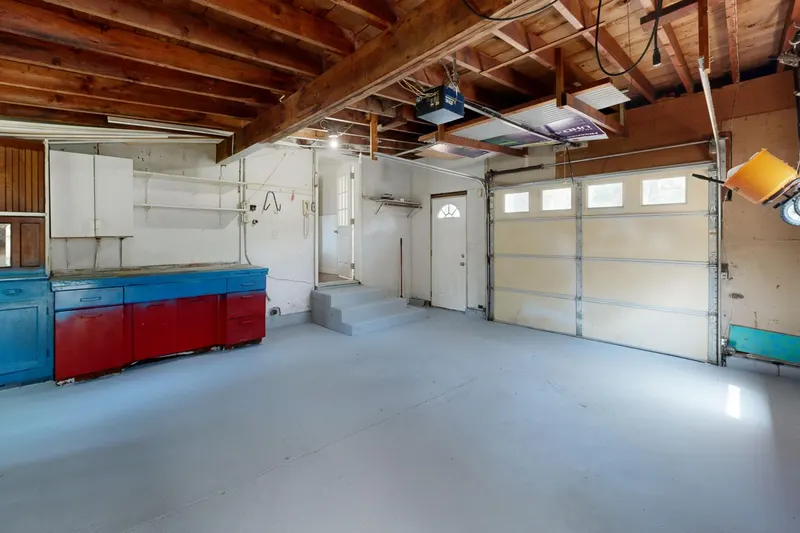
Power out in a storm? Using the garage door manual release safely
When a nor'easter takes the power, the red cord on the opener is how the car gets out. Pulled at the wrong moment it can drop a heavy door. Here is the safe way.